


Computing
Attendance: Full Time
Course level: 1
Location: City Learning Quarter
Course code: X0038
Start dates:
06/09/2027
Age:
a future student (16-18)
If you’re interested in technology, software, programming, networking, cybersecurity or digital innovation, our Computing & Digital courses provide a pathway from introductory level through to advanced technical qualifications.
You will develop the knowledge, skills and practical experience needed to work in one of the world’s fastest-growing industries. Throughout your studies, you will explore areas such as programming, website development, mobile app development, networking, hardware, cybersecurity, databases, digital technologies and IT support.
Learning is project-based and designed around realistic industry scenarios, helping you build both technical expertise and transferable skills such as communication, teamwork, problem-solving and project management.
As you progress through the levels, you will develop increasingly advanced digital skills and gain experience using industry-standard software and technologies that prepare you for higher education, apprenticeships or employment within the digital sector.
Qualifications available
- Pearson BTEC Level 1 Diploma in Computing/IT
- Pearson BTEC Level 2 Extended Certificate in Computing/IT
- Pearson BTEC Level 3 Extended Diploma in Information Technology
- Digital Support Services T Level*
The qualification level you will be enrolled on will be discussed during your interview and will be based on your qualifications, experience and future career aspirations.
*The Digital Support Services T Level includes a substantial industry placement of at least 45 days with an employer, giving you valuable experience of working within the digital sector.


Course details
Entry Requirements:
For external applicants:
- Level 1: GCSE English and maths at Grade 1 or above
- Level 2: Four or more GCSEs at Grade 3 or above, including English and maths, or a relevant Level 1 IT qualification at Merit or Distinction level
- Level 3 Extended Diploma: Five GCSEs at Grade 4 or above, including English, maths and ideally a technical subject, or a relevant Level 2 IT qualification at Merit or Distinction level
- Digital Support Services T Level: Five GCSEs at Grade 4 or above, including English and maths, and a relevant Level 2 Computing qualification
For all levels, you will also be required to:
- Demonstrate good attendance, punctuality and a positive attitude to learning
- Show an interest in computing, technology and digital innovation
- Be committed to developing both technical and professional skills
For internal progression learners (already studying with us):
Learners must be able to demonstrate that they:
- Have successfully completed a relevant course that naturally progresses onto this programme, achieving a good standard
- Have improved their English and maths grades since enrolment
- Have maintained good attendance and punctuality
- Show a consistently positive attitude to learning
What will I learn?
Depending on your chosen level, you may study:
- Programming and software development
- Website development
- Mobile app development
- Computer systems and hardware
- Computer networking
- Cybersecurity and incident management
- Data modelling and databases
- Digital graphics and animation
- Games development
- Digital product development
- Spreadsheet and business software applications
- IT technical support
- Project management
- Creating systems to manage information
- Social media and digital technologies in business
- Network infrastructure and cabling
- Digital support services
- Online systems and emerging technologies
What skills will I gain?
By studying a Computing & Digital qualification you will:
- Develop programming and software development skills
- Gain an understanding of computer systems and networks
- Learn how to design and build websites and digital products
- Develop cybersecurity awareness and problem-solving skills
- Improve technical support and troubleshooting abilities
- Gain experience using industry-standard digital tools
- Strengthen project planning and organisational skills
- Develop analytical and critical-thinking skills
- Improve communication, teamwork and presentation skills
- Build research and independent learning skills
- Develop an understanding of how technology supports businesses and organisations
- Prepare for university, apprenticeships or careers within the digital sector
How will I be assessed?
During your course you may be assessed through:
- Coursework and assignments
- Practical projects
- Portfolio development
- Presentations and demonstrations
- Tutor observations
- External examinations
- Employer-set projects (T Level)
Assessment methods will vary depending on the qualification and level studied.
What can I do next?
Successful completion of the course will enable you to progress to:
- A higher-level Computing or IT qualification
- A Digital or IT apprenticeship
- Higher education, including HNCs, HNDs and university degrees
- Employment within the computing and digital industries
Potential career areas include:
- Software Developer
- Web Developer
- App Developer
- Cyber Security Analyst
- IT Support Technician
- Network Administrator
- Systems Administrator
- Games Developer
- Database Administrator
- Digital Infrastructure Technician
- Cloud Support Technician
- Data Analyst
- IT Project Coordinator
- Technical Support Engineer
Future careers
Undecided on your future?
Our Future Finder tool can help you explore options and match them to our courses. City of Wolverhampton College partners with employers and leading universities, ensuring our qualifications are relevant and designed to help you succeed.
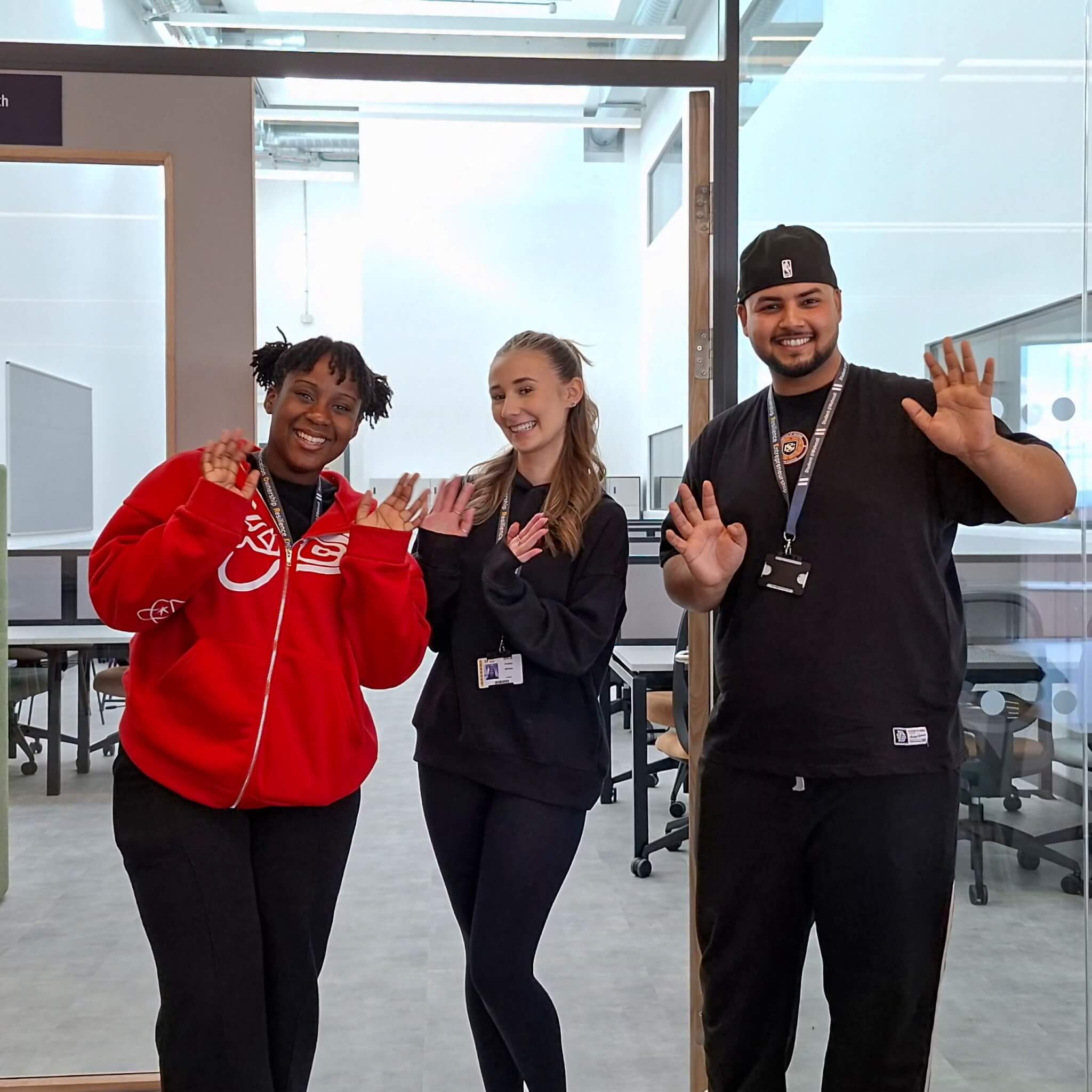
Discover what life’s like at City of Wolverhampton College
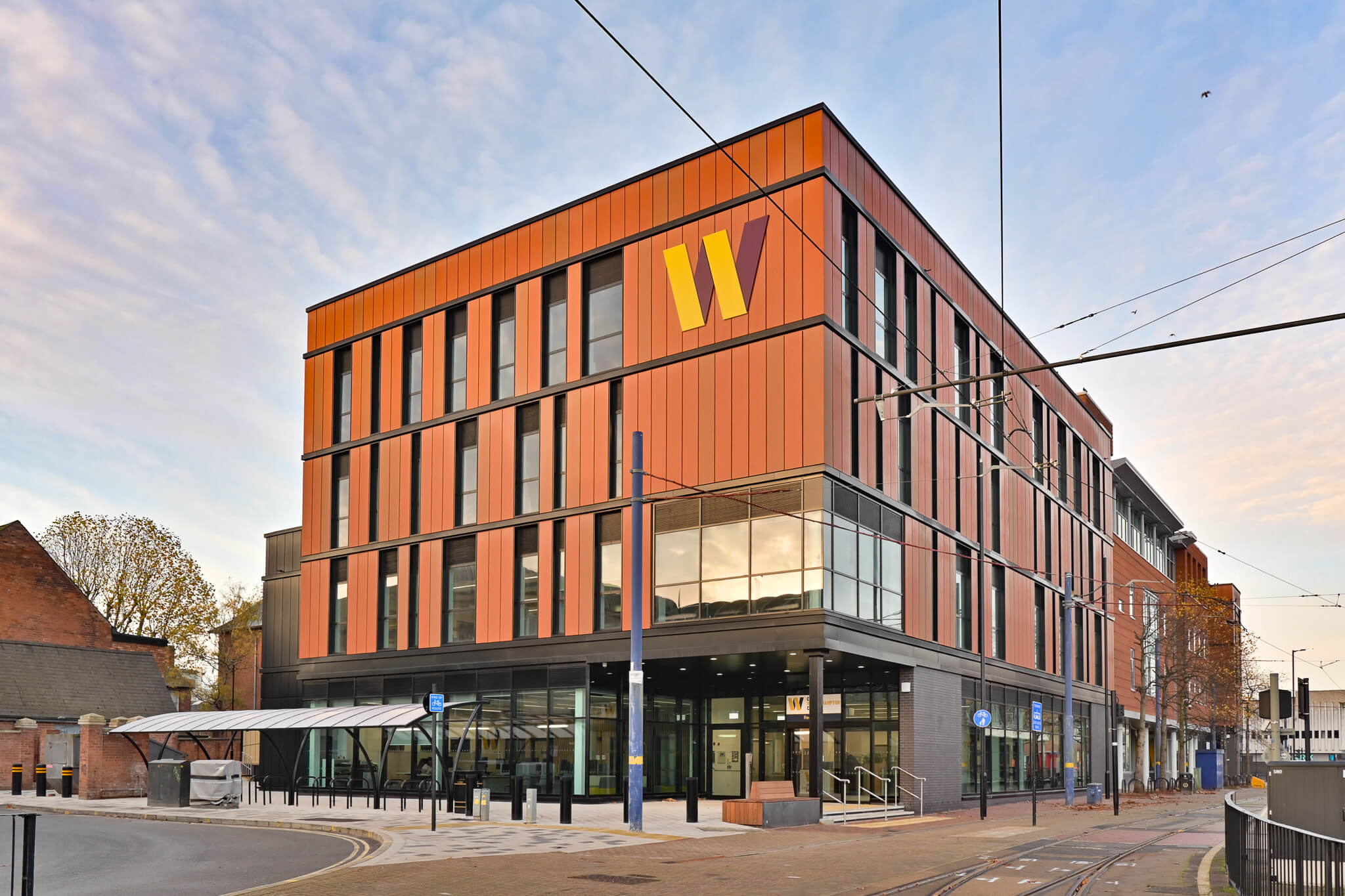
New £61m campus developments
Our new four-storey campus in Wolverhampton city centre is the flagship of the council’s £61 million City Learning Quarter Vision.

State-of-the-art facilities
Study in purpose-built workshops with industry-standard equipment and commercial facilities, gaining real client experience. Enjoy free Wi-Fi, tech-equipped classrooms, and access to laptops, Chromebooks, and tablets—everything you need for success.