


Engineering
Attendance: Full Time
Location: Wellington Road Campus
Course code: X0005
Start dates:
06/09/2027
Age:
a future student (16-18)
If you’re interested in designing, building, manufacturing or maintaining the technologies that power modern industries, our Engineering courses provide a clear pathway from foundation level through to advanced technical qualifications.
Engineering is one of the UK’s most important sectors, offering careers across manufacturing, mechanical engineering, fabrication, welding, maintenance, design, automation and advanced technologies. Our programmes combine practical workshop experience with the technical knowledge needed to succeed in industry.
You will develop hands-on skills in areas such as machining, fabrication, welding, engineering design, computer-aided engineering, electrical principles and manufacturing processes, while also gaining a strong understanding of maths, science, health and safety, and engineering theory.
Training takes place in our state-of-the-art Advanced Technology and Automotive Centre (ATAC), which provides learners with access to industry-standard facilities and equipment.
Qualifications available
- City & Guilds Level 1 Certificate in Engineering
- Pearson BTEC Level 2 Extended Certificate in Engineering
- Pearson BTEC Level 3 Extended Diploma in Engineering
- Engineering and Manufacturing T Level
The level you study will be determined by your existing qualifications, experience and career aspirations.


Course details
Entry Requirements:
- Level 1 Engineering: GCSE English at Grade 2 or above and GCSE maths at Grade 3 or above
- Level 2 Engineering: Four or more GCSEs at Grade 4 or above, including English and/or maths, ideally including science
- Level 3 Engineering: Five or more GCSEs at Grade 4 or above, including English and maths, ideally including science
- Engineering & Manufacturing T Level: Five GCSEs at Grade 4 or above, including English, maths and science
For all levels, you will also be required to:
- Attend an interview with an engineering tutor
- Complete an engineering-based assessment where required
- Demonstrate good attendance, punctuality and a positive attitude to learning
- Show an interest in engineering, manufacturing and technology
Additional course information
Industry-standard facilities
Engineering students train at the college’s Advanced Technology and Automotive Centre (ATAC), featuring modern workshops and specialist engineering facilities designed to replicate industry working environments.
Work experience
Industry experience is an important part of your programme and may include:
- Level 1: Work experience opportunities linked to engineering
- Level 2: Minimum of 30 hours work experience
- Level 3: Work placement within a relevant engineering environment
- T Level: Industry placement of at least 45 days with an engineering employer
English and maths
Learners who have not yet achieved the required GCSE grades in English and maths may be required to continue studying these subjects alongside their engineering qualification.
What will I learn?
What will I learn?
Depending on your chosen level, you may study:
- Engineering principles
- Engineering design
- Engineering mathematics
- Working in engineering
- Health and safety in engineering
- Machining techniques
- Hand-fitting skills
- MIG and TIG welding
- Fabrication and joining techniques
- Engineering materials
- Computer-aided design (CAD)
- Computer-aided engineering (CAE)
- Electrical and electronic principles
- Microcontrollers
- Maintenance of engineering systems
- Commercial and quality principles
- Manufacturing processes and procedures
- Interpreting technical drawings
- Planning and evaluating engineering work
What skills will I gain?
By studying an Engineering qualification you will:
- Develop practical engineering and workshop skills
- Learn machining, fabrication and welding techniques
- Build technical knowledge of engineering systems and processes
- Develop problem-solving and analytical skills
- Gain confidence interpreting technical drawings and specifications
- Improve mathematical skills used within engineering
- Develop teamwork and communication skills
- Understand professional standards and workplace expectations
- Learn safe working practices and risk management
- Gain valuable industry experience through work placements
- Prepare for apprenticeships, higher education or employment within the engineering sector
How will I be assessed?
Assessment methods vary by qualification and may include:
- Practical workshop assessments
- Project-based assignments
- Online tests and examinations
- Written questions and reports
- Tutor observations
- Externally assessed units
- Employer-set projects (T Level)
- Portfolio evidence
Qualifications are typically graded at Pass, Merit or Distinction level, depending on the course.
What can I do next?
What can I do next?
Successful completion of the course will enable you to progress to:
- A higher-level Engineering qualification
- An Engineering apprenticeship
- A Higher Technical Qualification (HTQ)
- HNC or HND study
- A degree or degree apprenticeship
- Employment within the engineering and manufacturing sectors
Potential career areas include:
- Mechanical Engineer
- Manufacturing Engineer
- Fabricator
- Welder
- Maintenance Engineer
- CNC Machinist
- CAD Technician
- Production Technician
- Electrical Engineer
- Engineering Technician
- Quality Technician
- Manufacturing Operative
- Process Engineer
- Project Engineer
Future careers
Undecided on your future?
Our Future Finder tool can help you explore options and match them to our courses. City of Wolverhampton College partners with employers and leading universities, ensuring our qualifications are relevant and designed to help you succeed.
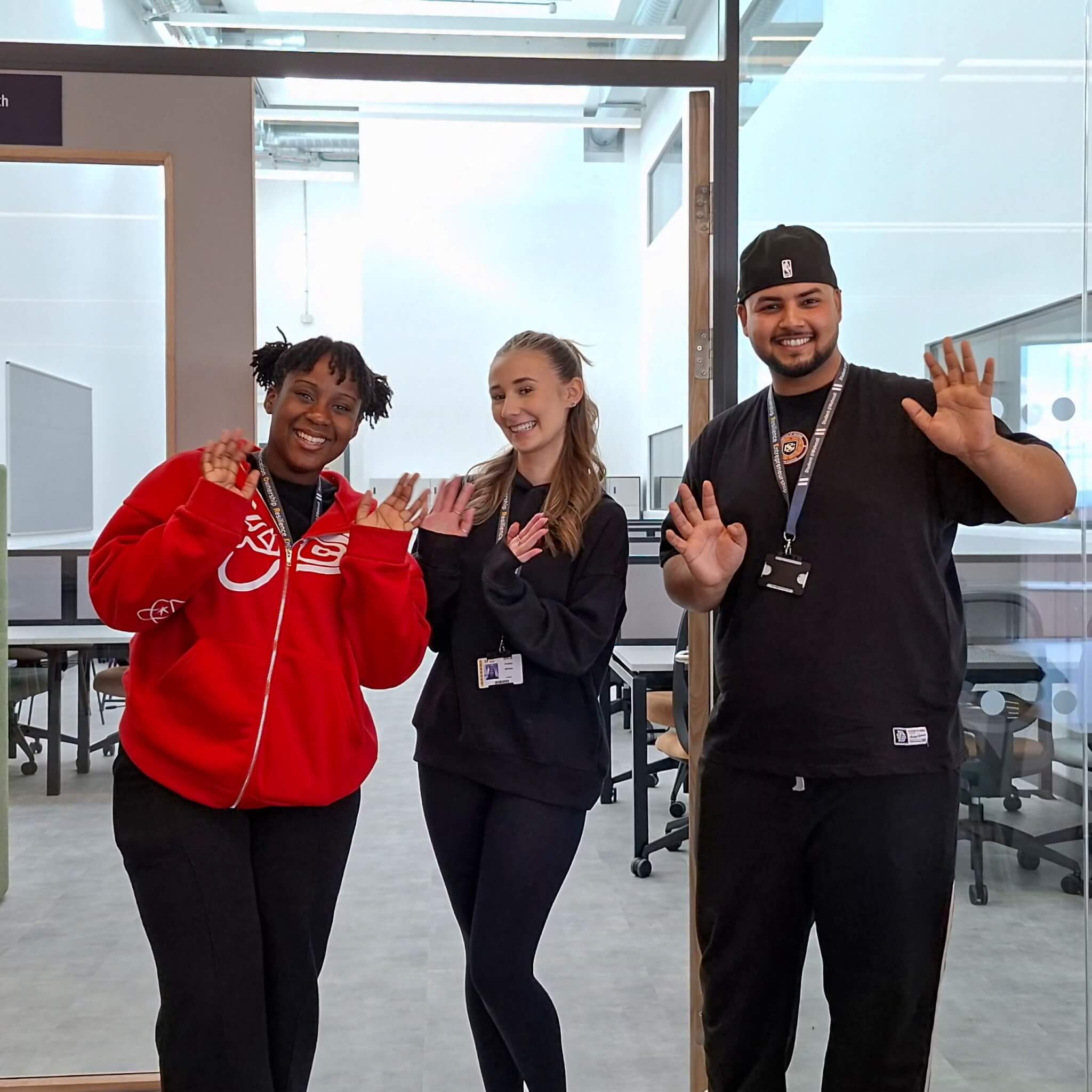
Discover what life’s like at City of Wolverhampton College
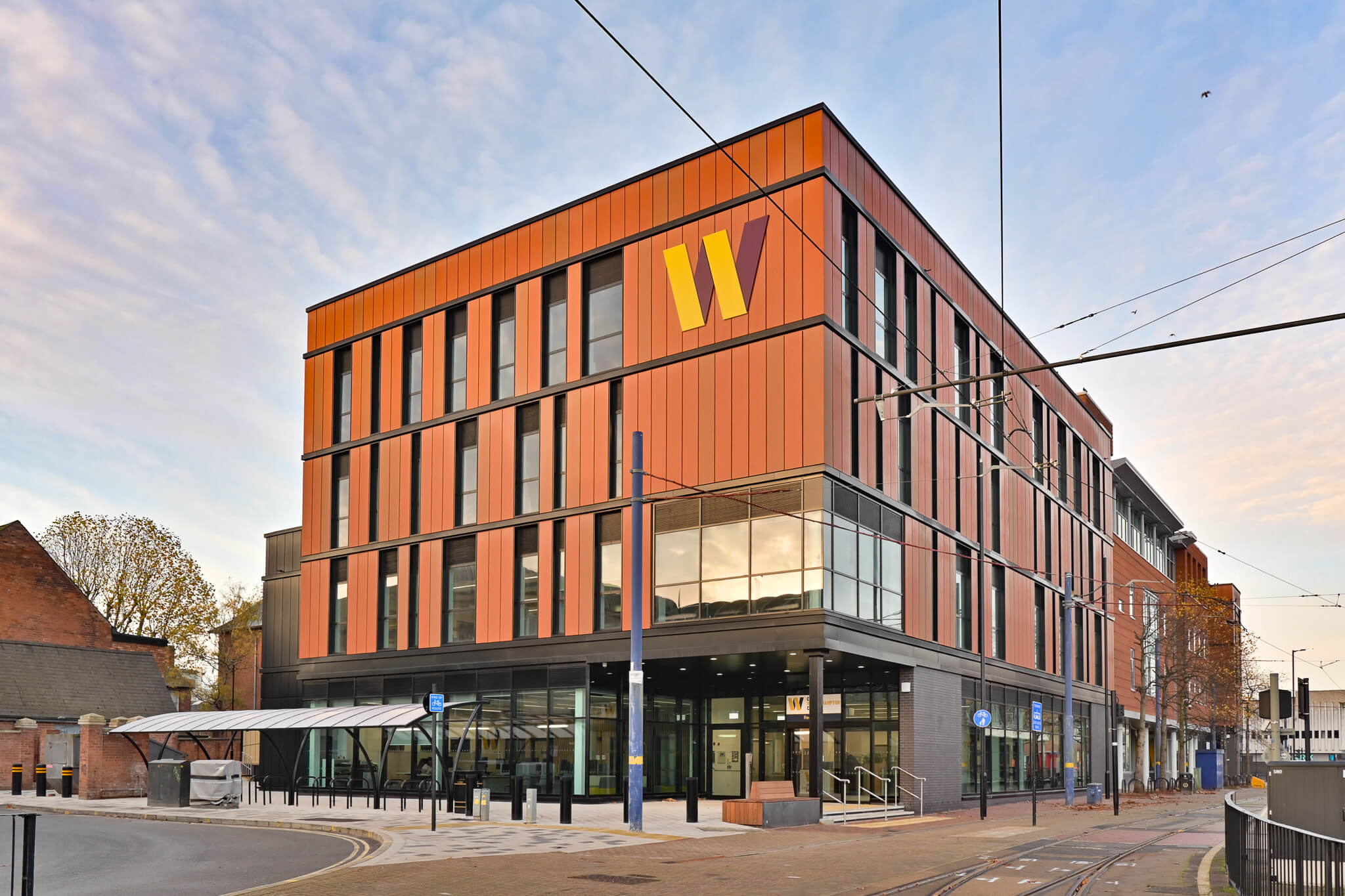
New £61m campus developments
Our new four-storey campus in Wolverhampton city centre is the flagship of the council’s £61 million City Learning Quarter Vision.

State-of-the-art facilities
Study in purpose-built workshops with industry-standard equipment and commercial facilities, gaining real client experience. Enjoy free Wi-Fi, tech-equipped classrooms, and access to laptops, Chromebooks, and tablets—everything you need for success.